

In today’s fast-changing world, children need more than memorization to succeed. They need curiosity, creativity, problem-solving skills, and the confidence to explore new ideas. That’s why many modern parents are turning to active learning, a powerful approach that encourages children to engage, ask questions, experiment, and discover knowledge on their own.
This active learning guide fparentips is designed specifically for parents who want practical ways to support their child’s development at home. Whether your child is in preschool, elementary school, or even early teens, active learning can transform how they understand the world.
Instead of passive listening or memorizing facts, active learning encourages participation, thinking, and real-life application. With the right strategies, parents can turn everyday moments into meaningful learning experiences.
In this detailed active learning guide fparentips, you’ll learn what active learning really means, why it matters for children, and how you can easily apply it at home with simple, effective techniques.
What Is Active Learning?
Active learning is an educational approach where children actively participate in the learning process instead of just receiving information.
Traditional learning often focuses on listening to teachers, reading textbooks, and memorizing answers. Active learning, however, encourages children to:
- Ask questions
- Solve problems
- Participate in discussions
- Experiment and explore
- Reflect on their experiences
Through these activities, children develop deeper understanding and stronger critical thinking skills.
In this active learning guide fparentips, the key idea is simple: learning should be interactive and engaging, not passive.
For example:
Passive learning example:
A child reads about plants in a book.
Active learning example:
A child plants seeds, waters them, observes growth, and records changes.
The second experience helps the child truly understand how plants grow.
Why Active Learning Is Important for Children
Children naturally learn through exploration. When they touch, observe, and experiment, they build meaningful connections with information.
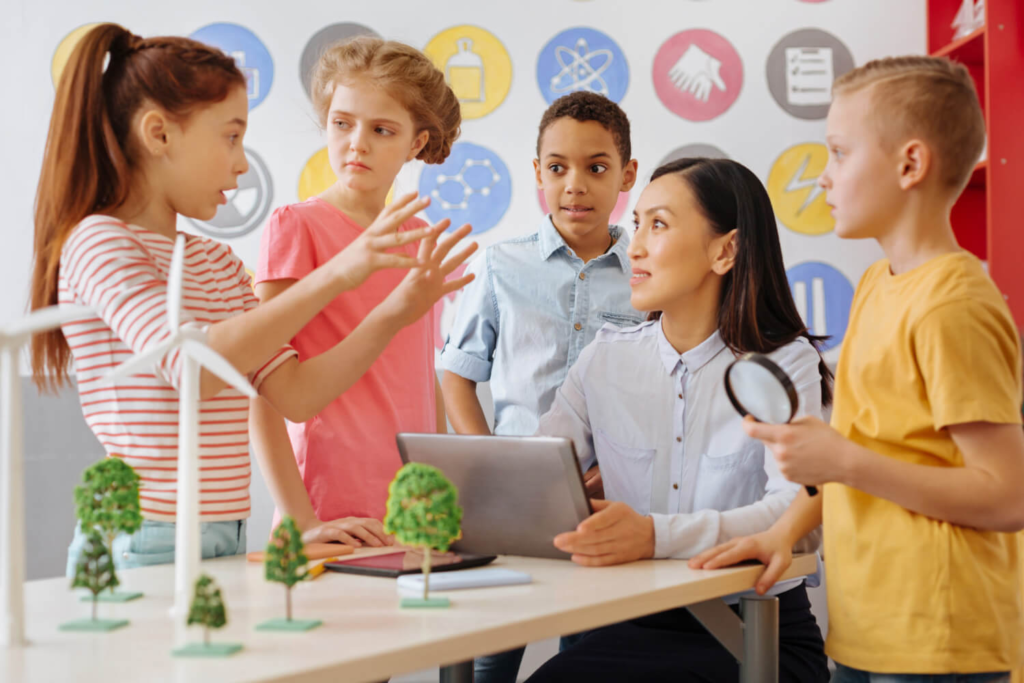
The active learning guide fparentips emphasizes that active learning benefits children in several important ways.
1. Improves Critical Thinking
Active learning encourages children to analyze situations and find solutions instead of simply memorizing answers.
They learn to ask questions like:
- Why does this happen?
- What if I try something different?
- How can I solve this problem?
This strengthens analytical thinking skills.
2. Builds Confidence
When children participate actively in learning, they gain confidence in their abilities.
Completing a project, solving a puzzle, or explaining an idea makes them feel capable and proud.
Confidence motivates children to keep learning.
3. Encourages Curiosity
Curiosity is one of the strongest drivers of learning.
The active learning guide fparentips highlights that when children explore topics themselves, they become more interested in discovering new knowledge.
4. Improves Memory Retention
Studies show that people remember information better when they actively engage with it.
Hands-on activities, discussions, and experiments help children remember concepts longer than simple memorization.
5. Develops Real-World Skills
Active learning teaches practical life skills such as:
- Problem solving
- Communication
- Collaboration
- Creativity
- Decision making
These abilities are essential for future success.
The Role of Parents in Active Learning
Parents play a powerful role in shaping how children learn.
Teachers may guide classroom learning, but home is where children develop habits, curiosity, and confidence.
This active learning guide fparentips encourages parents to create a home environment that supports exploration and creativity.
You do not need to be an expert teacher. Simple actions can make a big difference.
Parents can:
- Encourage questions
- Provide learning materials
- Create interactive experiences
- Allow children to explore ideas
- Support independent thinking
Most importantly, parents should focus on guiding rather than controlling the learning process.
Children learn best when they feel free to explore.
Simple Active Learning Strategies for Parents
Many parents believe active learning requires complicated activities or expensive resources. In reality, some of the best learning experiences are simple and natural.
Here are practical strategies from the active learning guide fparentips that any parent can use.
Ask Open-Ended Questions
Instead of asking questions with one correct answer, ask questions that encourage thinking.
Examples:
- What do you think will happen if we mix these colors?
- Why do you think the moon changes shape?
- How could we solve this problem?
These questions stimulate curiosity and discussion.
Encourage Exploration
Allow children to explore their interests.
If your child enjoys dinosaurs, space, animals, or art, provide books, documentaries, and activities related to those topics.
Interest-driven learning is powerful.
Use Everyday Experiences as Lessons
Daily activities can become learning opportunities.
Examples include:
Cooking
Teaches measurements, fractions, and following instructions.
Shopping
Helps children understand numbers, budgeting, and decision making.
Gardening
Teaches science, responsibility, and patience.
The active learning guide fparentips recommends turning normal activities into educational experiences.
Promote Hands-On Activities
Children learn best by doing.
Encourage activities like:
- Building with blocks or LEGO
- Science experiments
- Art and crafts
- DIY projects
- Puzzle solving
Hands-on experiences improve engagement and understanding.
Encourage Discussion
After watching a movie, reading a book, or visiting a place, ask your child what they learned.
Discuss ideas together.
This helps children develop communication and reasoning skills.
Creating an Active Learning Environment at Home
A supportive learning environment can make active learning more effective.
Parents do not need expensive tools or large spaces.
The active learning guide fparentips suggests a few simple ways to create a learning-friendly home.
Create a Learning Corner
Designate a small area for learning activities.
Include items like:
- Books
- Drawing materials
- Educational games
- Science kits
- Building blocks
This space encourages curiosity and exploration.
Limit Passive Screen Time
Technology can support learning, but too much passive screen time reduces engagement.
Encourage children to:
- Create instead of only watching
- Build projects
- Explore real-world activities
Balance is key.
Celebrate Curiosity
When children ask questions, respond positively.
Avoid dismissing questions even if they seem simple.
Encouraging curiosity strengthens a child’s desire to learn.
Active Learning Activities for Different Age Groups
Children learn differently depending on their age and developmental stage.
The active learning guide fparentips includes age-appropriate ideas.
Preschool Children
Young children learn through play and sensory experiences.
Activities include:
- Sorting colors and shapes
- Storytelling with pictures
- Building with blocks
- Nature exploration
- Simple science experiments
Play-based learning builds foundational skills.
Elementary School Children
Children in this stage enjoy problem-solving and creative tasks.
Activities include:
- Science experiments
- Educational board games
- Creative writing
- Building projects
- Simple coding games
These activities develop thinking and reasoning abilities.
Pre-Teens
Older children benefit from deeper discussions and independent projects.
Encourage them to:
- Research topics they enjoy
- Create presentations
- Build models
- Learn basic programming
- Start small personal projects
Active learning helps pre-teens become independent thinkers.
Common Mistakes Parents Should Avoid
Even well-intentioned parents sometimes make mistakes that reduce learning engagement.
The active learning guide fparentips identifies several common issues.
Overcontrolling the Learning Process
Children should have space to explore.
If parents control every step, children may lose interest.
Instead, guide them while allowing independence.
Focusing Only on Grades
Grades are important but not the only indicator of learning.
Focus on skills such as:
- Creativity
- Curiosity
- Problem solving
- Persistence
These qualities build lifelong learners.
Ignoring Children’s Interests
When learning connects to a child’s interests, motivation increases dramatically.
Parents should pay attention to what excites their children.
How Active Learning Builds Lifelong Learners
One of the most powerful ideas in the active learning guide fparentips is that learning should not end in school.
Children who develop active learning habits often become lifelong learners.
They grow into adults who:
- Seek knowledge independently
- Adapt to new challenges
- Think critically about problems
- Continue improving their skills
These qualities are essential in the modern world where knowledge constantly evolves.
Final Thoughts: Making Active Learning Part of Everyday Life
Active learning is not a complicated educational method reserved for classrooms or experts.
It is a natural, engaging approach that parents can easily incorporate into daily life.
This active learning guide fparentips shows that small changes can create powerful learning experiences.
Encourage curiosity.
Ask thoughtful questions.
Provide hands-on experiences.
Allow children to explore their interests.
When parents support active learning, children develop not only knowledge but also confidence, creativity, and independence.
The goal is not just to help children succeed in school, but to help them love learning for the rest of their lives.
By following the ideas in this active learning guide fparentips, parents can raise curious, capable learners who are ready to face the future with excitement and confidence.
