


Key Takeaways
- Artificial Intelligence (AI) is revolutionizing project management by enhancing efficiency and decision-making.
- Building Information Modeling (BIM) fosters collaboration and reduces errors through shared digital models.
- Robotics and automation are improving safety and productivity on construction sites.
- Augmented Reality (AR) and Virtual Reality (VR) are transforming design visualization and training.
- Blockchain technology is enhancing transparency and efficiency in contract management.
Introduction
The construction sector stands at the crossroads of technology and tradition, undergoing rapid transformation as digital solutions become integral to industry operations. This dynamic shift is driven by innovations that enhance efficiency, safety, and collaboration across all project phases. Firms embracing these changes position themselves at the forefront of the modern marketplace, where agility and data-driven insights are now pivotal to success. As construction management evolves, understanding these digital trends is essential for industry professionals seeking to adapt and thrive.
Among the strategies shaping this new era is the adoption of CMAR & Construction Management Services, which leverage cutting-edge tools and methodologies to streamline project delivery. This digital revolution is not only redefining workflows but also setting new standards in quality, collaboration, and transparency throughout the construction lifecycle.
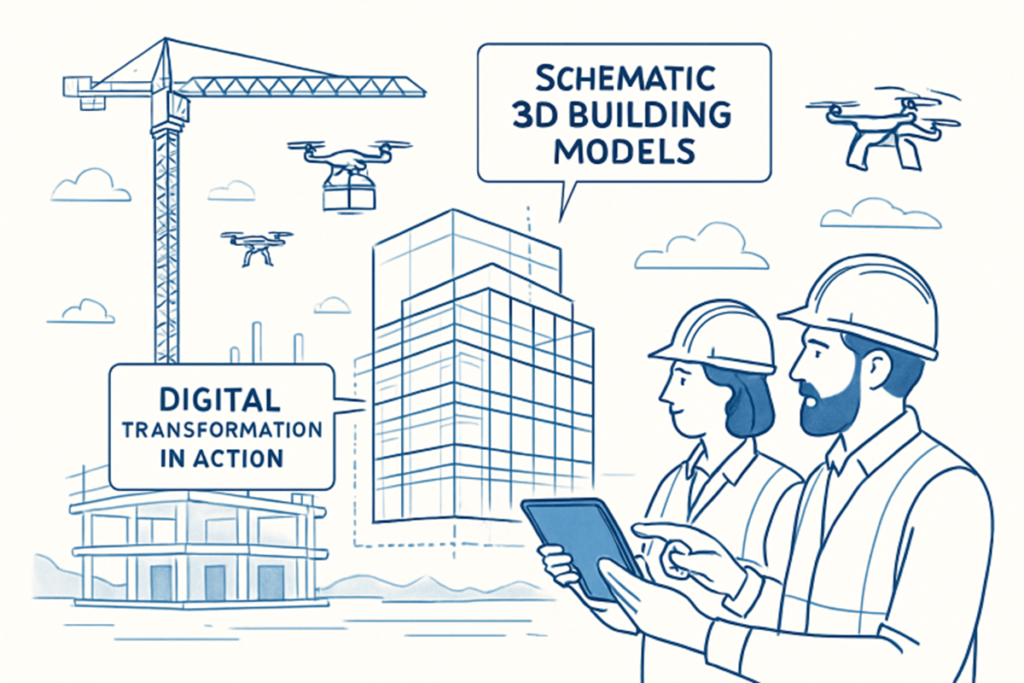
Digital transformation in construction is more than a buzzword; it’s a necessity to address industry challenges such as labor shortages, escalating costs, and tight project deadlines. Technologies like artificial intelligence, robotics, and blockchain are paving the way for smarter, safer, and more sustainable building practices. These trends are not isolated innovations but interconnected systems that propel the industry forward.
Construction companies worldwide now recognize the need to invest in technology to remain competitive and resilient. From small, family-owned general contractors to large multinational firms, there is a growing strategic focus on integrating advanced solutions for long-term growth and profitability. According to a recent McKinsey & Company report, digital adoption can increase productivity and reduce costs across many facets of construction management.
Artificial Intelligence in Project Management
Artificial intelligence is increasingly being used to optimize construction project management. AI-driven systems analyze real-time data from multiple sources, enabling accurate forecasting of schedules and resource needs while proactively managing risks. This predictive capability helps project managers streamline decision-making, minimize delays, and prevent cost overruns.
By automating repetitive tasks such as document control and progress tracking, AI allows teams to focus on complex project elements that require human expertise. The technology’s ability to learn from historical data also provides actionable insights for future projects, boosting both project performance and profitability. AI-powered predictive models can even flag potential safety hazards or supply chain disruptions before they escalate. As integration spreads, the industry is moving toward data-driven project execution, where transparency and efficiency become hallmarks of success. For more on how AI is changing construction, see this Forbes article on tech trends.
Building Information Modeling (BIM) for Enhanced Collaboration
Building Information Modeling (BIM) has revolutionized how stakeholders collaborate on construction projects. By working from a shared digital model detailing both physical attributes and operational data, all parties, from architects and engineers to contractors and owners, are better coordinated than ever before. This seamless flow of information ensures efficiency, reduces errors, and promotes real-time problem-solving as issues are identified visually and addressed collaboratively.
Widespread BIM adoption has produced measurable advantages, including reductions in project planning time and material waste. Collaborative design processes allow for more effective cost management and risk identification before ground is ever broken, directly impacting project profitability and delivery timelines. Moreover, BIM provides a foundation for integrating emerging technologies such as augmented reality and facility management tools, thereby extending its value throughout a building’s lifecycle.
Robotics and Automation on Construction Sites
Robotics and automation technology are rapidly changing traditional construction practices. Robots now handle tasks such as bricklaying, concrete pouring, and rebar tying, which are typically labor-intensive and potentially hazardous. By delegating repetitive and risky jobs to machines, construction firms can better protect human workers and optimize the use of skilled expertise for tasks that require critical thinking and problem-solving.
Automation also supports improved consistency and speed, reducing the potential for human error and allowing projects to progress more predictably. For example, drones are frequently used to survey sites, monitor progress, and provide precise, timely feedback that manual methods cannot match. While some may worry about the impact of automation on construction jobs, the reality is that these technologies create new roles focused on supervision, maintenance, analysis, and design, evolving the workforce for the better. Leading industry insights on this transformation can be found on Forbes.
Augmented and Virtual Reality for Design and Training
Augmented Reality (AR) and Virtual Reality (VR) tools are setting new standards for design visualization and skills training in construction management. AR overlays digital models onto real-world environments, enabling stakeholders to “walk through” a project before it’s built. This capability supports faster approvals, better design feedback, and increased client engagement.
VR also provides immersive training experiences that boost worker safety and competency. Practicing hazardous tasks in a virtual environment minimizes risk and builds muscle memory, leading to safer site conditions and a more skilled workforce. Both AR and VR streamline the construction process by improving communication, reducing rework, and aligning visions among teams and clients.
Blockchain for Transparent Contract Management
Blockchain technology is making significant inroads in contract management within the construction sector. With its secure, decentralized ledger, blockchain ensures that contracts and transactions are transparent, tamper-proof, and automatically enforced. This approach drastically reduces paperwork, accelerates approvals, and eliminates many sources of disputes between stakeholders.
Effective blockchain integration, especially for complex projects with multiple suppliers and contractors, provides a clear, permanent audit trail for every transaction. The result is not only improved trust and communication but also faster payment cycles and reduced administrative overhead. As this technology matures, industry adoption is expected to increase significantly, pushing contract management into a new era of digital efficiency. For additional background, see the Forbes guide on blockchain.
Conclusion
Digital transformation is fundamentally reshaping construction management, unlocking new levels of efficiency, safety, and collaboration. Embracing these digital trends is essential for companies that wish to stay ahead in a rapidly changing environment. With AI, BIM, robotics, AR/VR, and blockchain in play, the industry is better positioned than ever to tackle its greatest challenges and seize new opportunities. The future of construction lies in innovative thinking, strategic investment, and the willingness to adapt as technology continues to advance.
