

Unattended properties face heightened risks that traditional security methods struggle to address. Remote surveillance technology can deter theft, vandalism, trespassing, and liability issues in locations without constant human presence. Understanding how remote monitoring works, with attention to typical risks and operational realities, is crucial for making informed property safety decisions.
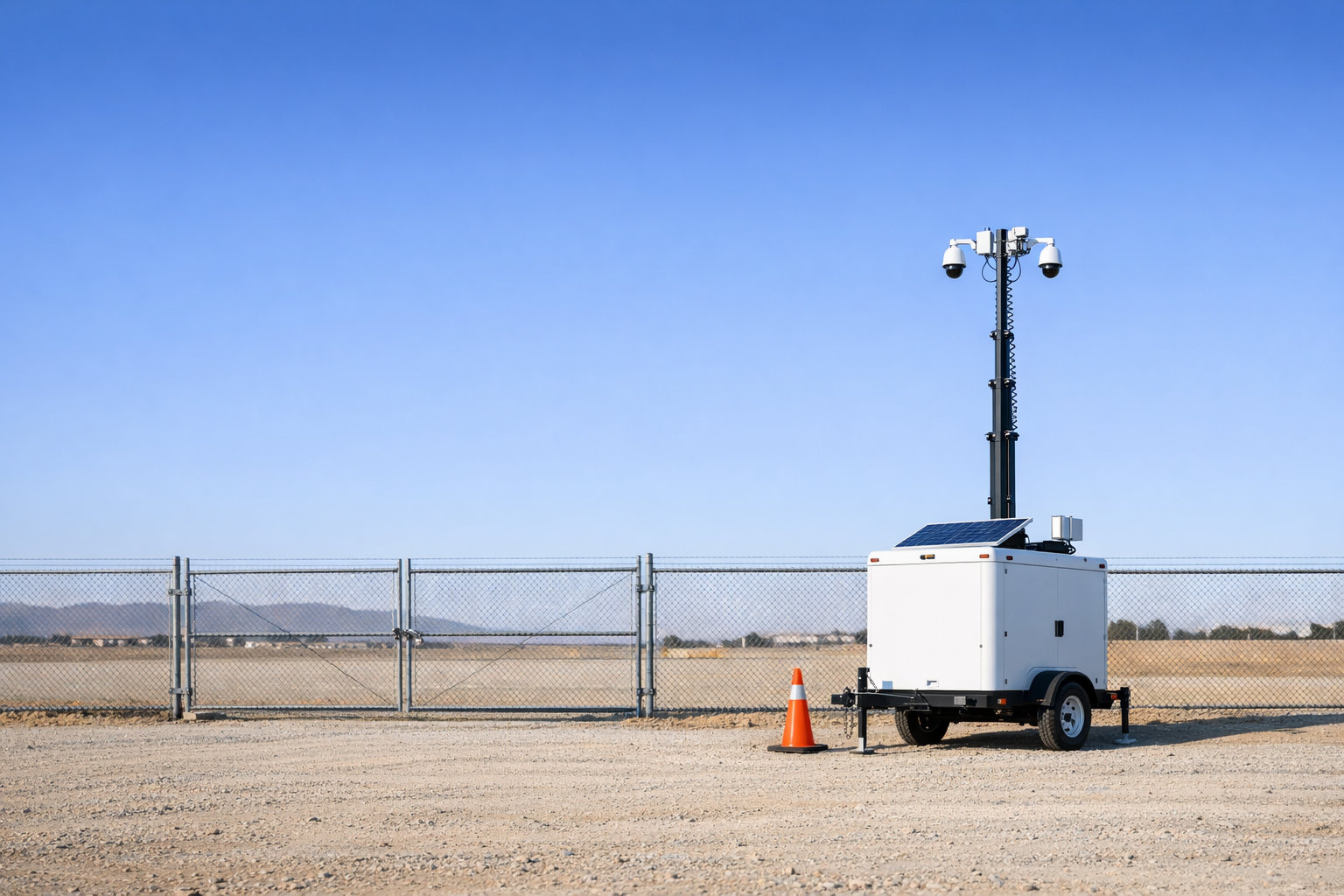
Many sites must remain secure even when no personnel are present for extended periods. Properties such as vacant lots, storage yards, and temporary event spaces are often targeted due to their isolation and limited human oversight. For example, construction sites can experience copper theft or fuel siphoning at night, vacant lots may attract illegal dumping, and equipment yards are prone to break-ins when left unwatched over weekends. Relying solely on periodic checks can leave vulnerabilities exposed. Integrating remote surveillance trailer solutions into a security plan introduces active monitoring options that allow for flexible responses to potential threats and help provide coverage in environments where physical patrols are not practical.
Unique risk factors make properties hard to secure
Unattended locations are particularly vulnerable to incidents such as theft, vandalism, and trespassing. Without regular activity, even a brief lapse can result in losses or severe damage. For instance, a construction site left closed over a bank holiday may become a target for cable theft, while a vacant building can be subject to graffiti or unauthorized entry.
Properties like construction sites, vacant buildings, and seasonal facilities, such as campgrounds shuttered for winter, may also face unlawful dumping or liability claims if hazards go unnoticed. If someone climbs into an unfenced area at night and is injured, owners could be exposed to costly legal consequences. Because these risks arise at unpredictable times, static patrols and occasional visits often are not enough to prevent incidents from occurring.
How remote systems operate in real-world scenarios
Remote surveillance systems do more than merely record video for later review. Modern solutions enable live monitoring by security personnel, who can observe several properties simultaneously and respond to suspicious behavior as it happens. For example, a camera can detect motion within a defined zone or line crossing after working hours and instantly alert monitoring staff.
Live video feeds may trigger real-time alerts when movement or unauthorized presence is detected in areas such as equipment yards or restricted entry points. Standard escalation processes might include notifying an on-call site manager, relaying information to dedicated security staff, or contacting local law enforcement in cases of verified threat. This continuous connection with properties often enables faster response and may help deter would-be intruders, who might otherwise exploit the perceived absence of on-site control.
Applications, technology requirements, and practical impact
This approach is frequently applied to construction zones, where theft of materials like copper or tools is common, equipment depots, vacant commercial buildings, and temporary event spaces. These sites may lack mains electricity or reliable internet, so remote monitoring technologies need to be adaptable and mobile. For example, rapid changes in site layout or weather, as well as limited natural lighting, require careful camera placement and the use of equipment designed to endure outdoor conditions.
Cameras are typically positioned at key perimeter lines, entry gates, and areas where valuables are stored, aiming to cover likely access routes and blind spots. The choice of system depends on site infrastructure, with remote surveillance trailer setups providing power independence and repositionable coverage where cables or fixed broadband are unavailable. Weatherproofing measures, regular equipment checks, and an understanding of each site’s operational hours all factor into effective planning.
Limitations, privacy principles, and security planning
While remote monitoring can help to reduce opportunistic theft and discourage repeated trespass, several challenges remain. Blind spots, poor weather limiting visibility, and the potential for false alarms due to wildlife or rapidly changing environmental conditions highlight the need for regular system maintenance and clear response protocols tailored to specific site risks.
Responsible deployment of surveillance technology involves displaying signage to inform visitors, maintaining boundary respect for adjacent properties, and safeguarding data gathered by remote systems. When selecting monitoring levels and system features, property managers need to balance privacy interests with security needs, and adapt the intensity of supervision to the length of property vacancy and local risk profile. Recognizing both the capabilities and the constraints of remote surveillance is essential to designing practical, site-appropriate security measures for unattended properties
Source: Bazoom AI
