

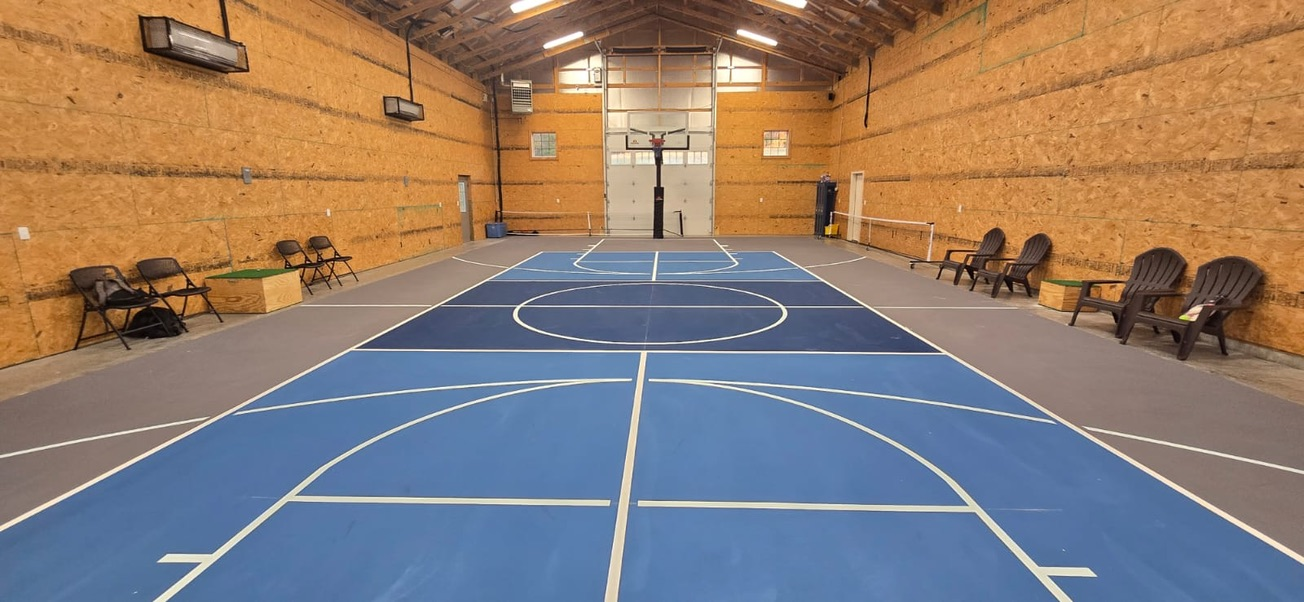
Pickleball courts experience constant wear from foot traffic, weather exposure, and repeated ball impact. Over time, small cracks, surface fading, and drainage issues can reduce play quality and shorten the lifespan of the court.
Fortunately, many problems can be addressed with professional repair techniques before they become major structural issues. Understanding the most common pickleball court repair methods helps property owners maintain safe playing conditions and extend the life of their court surface.
Below are six effective repair solutions used by professional court specialists.
1. Crack Filling and Surface Sealing
Hairline cracks are one of the most common issues in outdoor pickleball courts. If left untreated, water infiltration can expand these cracks and damage the base layer.
Repairing small fractures typically involves flexible crack fillers followed by protective seal coatings.
Benefits include:
- Preventing water penetration
- Reducing surface deterioration
- Preparing the court for resurfacing
Routine crack repair can significantly extend the lifespan of a pickleball court.
2. Acrylic Resurfacing Systems
When surface coatings begin to fade or wear down, resurfacing with acrylic coatings restores traction, color, and ball response.
The resurfacing process typically includes:
- Surface cleaning
- Crack repair
- Acrylic color coating
- New line striping
This method improves both performance and aesthetics while protecting the base structure.
3. Leveling Low Spots (Birdbath Repair)
Low spots or “birdbaths” occur when surface areas collect standing water after rain. These depressions can cause uneven ball bounce and accelerate surface damage.
Repair methods may involve:
- Grinding down high areas
- Applying leveling compounds
- Regrading the court surface
Addressing birdbaths early prevents larger structural problems.
4. Base Repair and Structural Correction
Sometimes surface cracks indicate deeper base issues such as soil movement or drainage failure.
In these cases, professional pickleball court contractors may recommend partial reconstruction of the base layer.
Typical structural repairs include:
- Removing damaged asphalt sections
- Stabilizing sub-base materials
- Reinstalling surface layers
Although more extensive, base repairs restore long-term durability.
5. Drainage System Improvements
Poor drainage is a major cause of repeated court damage. Water accumulation weakens coatings and creates cracks over time.
Repair solutions may involve:
- Installing perimeter drains
- Adjusting slope gradients
- Improving court grading
Professional drainage correction prevents recurring surface failures and protects the investment in the court.
6. Preventative Maintenance Programs
The most effective repair strategy is prevention. Regular inspections and maintenance reduce the need for major repairs later.
Recommended maintenance practices include:
- Routine cleaning
- Early crack detection
- Surface inspections
- Scheduled resurfacing
Working with experienced professionals such as Pine State Courts helps ensure small issues are addressed before they lead to expensive reconstruction.
When to Repair vs Replace a Pickleball Court
Not all damage requires full reconstruction. In many cases, surface repairs can restore functionality and extend the life of the court for several years.
However, replacement may be necessary when:
- Structural cracks spread across the court
- Drainage failure persists
- Surface layers separate from the base
Professional assessment ensures the correct solution is applied.
Final Thoughts
Regular repair and maintenance play a critical role in protecting pickleball courts from long-term damage. By addressing cracks, drainage problems, and surface wear early, property owners can maintain safe playing conditions and extend the lifespan of their court.
Understanding these repair methods allows homeowners, schools, and recreational facilities to keep their courts performing at a high level for years to come.
