

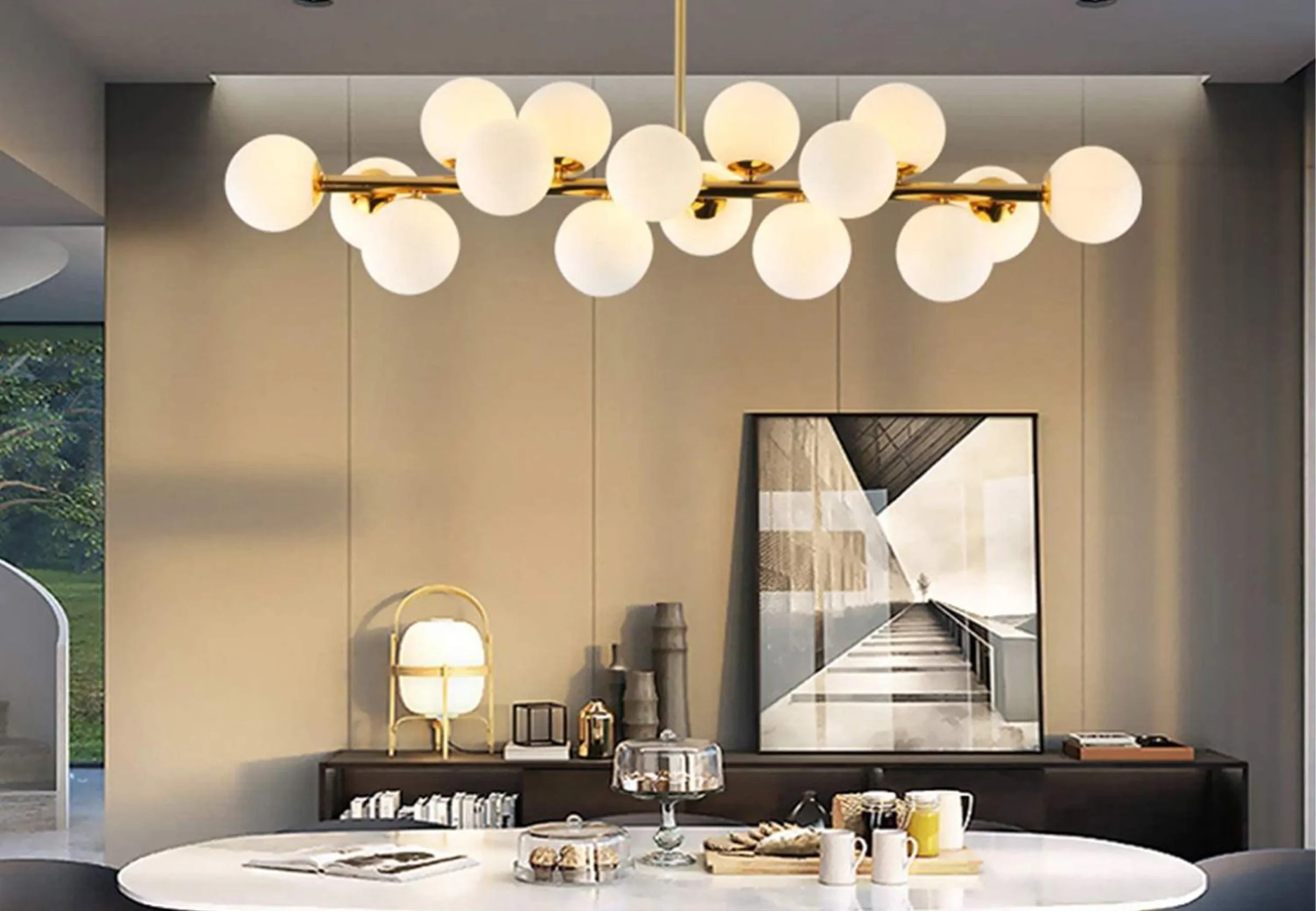
Large open rooms create a sense of freedom, yet they can feel unfinished when lighting is not planned carefully. The wide layout, tall ceilings, and open sightlines require more than basic illumination to feel welcoming. Light influences how people perceive space, depth, and comfort. When chosen thoughtfully, it softens scale and brings balance to areas that might otherwise feel overwhelming.
Designers usually rely on layered approaches rather than a single source to support visual comfort. Curated options like the ones from Visual Comfort lighting collections suit every interior. A well-structured plan reduces glare and highlights key features without overloading the space. This article explains how thoughtful choices improve beauty and clarity in large open rooms.
Choose a Scale That Matches the Space
In rooms with wide dimensions, lighting fixtures need enough presence to feel intentional. Items that are too small usually disappear against tall ceilings, which leaves the space feeling incomplete. When scale feels appropriate, the room gains structure and visual grounding.
Larger fixtures can work beautifully when placed with care. They help anchor key areas such as seating or dining zones while drawing attention upward. This balance allows the space to feel cohesive instead of scattered. Proper scale also helps the lighting feel like part of the architecture rather than an afterthought.
Create a Visual Depth Through Layered Lighting
Open rooms benefit from multiple layers of illumination that work together. Ambient light provides general brightness, while task-focused sources support specific activities. Accent lighting adds character by drawing attention to art, textures, or architectural elements.
When these layers blend smoothly, the space feels more inviting and easier on the eyes. The transition between zones becomes natural rather than abrupt. This layered effect keeps the room visually interesting without feeling busy.
Use Ceiling Fixtures to Highlight Height
High ceilings offer an opportunity to add visual interest above eye level. Suspended fixtures help define vertical space and prevent the room from feeling hollow. Their placement can guide attention toward key areas without dominating the layout.
Recessed lighting supports this approach by offering even coverage across the ceiling. When spaced thoughtfully, it reduces harsh shadows and maintains a clean appearance. Together, these elements bring harmony to tall open interiors.
Add Warmth Through Wall Lighting
Walls in large rooms can feel distant, especially when the layout is wide. Wall-mounted lighting introduces warmth closer to eye level, which makes the space feel more approachable. This added layer softens the overall atmosphere.
Accent lighting along walls also enhances textures and decorative features. Gentle illumination reveals depth and detail that might otherwise go unnoticed. The result feels intentional and visually balanced. Wall lighting also helps guide the eye across the room in a calm and steady way.
Lower-Level Lighting Provides Comfort
Floor and table-level lighting adds a sense of intimacy within open layouts. These sources help define smaller zones without breaking the openness of the room. Seating areas benefit greatly from this softer glow.
Lower-level lighting also improves visual comfort by reducing strong contrasts. It guides movement naturally and makes the space feel lived in. This approach brings warmth to areas that might feel too expansive.
Plan Placement With Purpose
A successful lighting plan begins with understanding how each area will be used. Large open rooms usually serve multiple functions, which makes placement especially important. Each zone should feel supported rather than overlooked.
Consider these practical points:
- Spread brightness evenly across the entire room.
- Vary fixture heights to create visual interest.
- Highlight focal points such as artwork or furniture.
- Support natural walking paths with gentle illumination.
This strategy creates balance while maintaining openness.
Balance the Color and Materials
Light tone has a strong impact on mood and comfort. Warmer shades encourage relaxation, while cooler tones support focus and clarity. In open rooms, a thoughtful mix mostly creates the best result. Materials influence how light behaves within the space. Glass diffuses glow evenly, metal directs brightness, and fabric softens intensity. Matching tone with texture helps maintain a unified appearance throughout the room.
Prefer Lighting Controls For Adjustments
Control systems allow easy adjustments based on time of day or activity. Dimming options help shift the mood from bright and lively to calm and relaxed. This flexibility makes the space more comfortable without altering the design. Scene settings also reduce energy waste by using only what is needed. The room adapts smoothly to changing needs. This level of control supports both function and comfort.
Lighting plays a defining role in how large open rooms look and feel. Thoughtful scale, layered design, careful placement, and balanced tone work together to enhance visual appeal. Knowing options such as Visual Comfort lighting collections can provide well-proportioned solutions that feel refined and inviting. When every element connects naturally, an open interior transforms into a space that feels warm, comfortable, and visually complete.
